Floral Arrangement with Watercolor16: Bridging Traditional Art and Digital Design
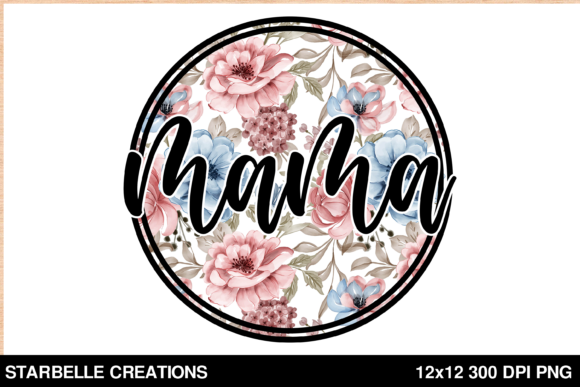
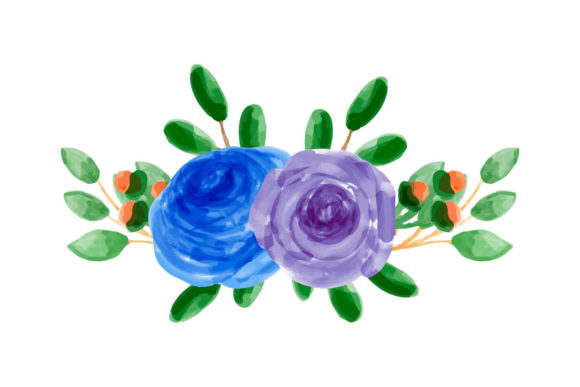
At its core, Floral Arrangement with Watercolor16 represents a unique digital asset—a specific watercolor illustration of a floral composition. It exists as a versatile file, such as a JPG with a clean white background and a PNG with transparency, ready for integration into various projects. This is not merely a piece of decorative art; it is a functional component in the workflows of professionals, creatives, and hobbyists who operate in digital spaces. Its value lies in its specific aesthetic—the soft blends, organic edges, and layered tones characteristic of traditional watercolor—combined with the immediate utility of a ready-to-use digital image.
Understanding where Floral Arrangement with Watercolor16 fits requires seeing it as a bridge. It connects the tactile, unpredictable beauty of physical watercolor painting with the precise, repeatable needs of digital design and content creation. For someone sketching a website mockup, drafting a marketing brochure, or designing a social media campaign, sourcing or creating authentic watercolor imagery can be a time-intensive process. This asset serves as a prepared solution, eliminating the need for custom painting or extensive searching, thereby slotting directly into the planning and execution phases of a project.
Integration into Creative and Professional Workflows
The practical application of Floral Arrangement with Watercolor16 begins with assessment. Before a project commences, during the resource-gathering stage, this asset can be evaluated for its stylistic compatibility. Does its color palette align with the brand guidelines? Does its loose, artistic feel match the intended tone of the communication—perhaps for a boutique brand, a wellness blog, or an educational resource aiming for a soft, approachable aesthetic? This early decision-point is crucial for maintaining consistency and quality control across all project outputs.
During the active creation phase, the two file formats offer distinct advantages. The JPG with a white background is immediately usable as a layered element on similarly light backgrounds or as a standalone graphic. The PNG with transparency, however, unlocks greater flexibility. It can be placed over colored backgrounds, textured patterns, or other imagery without the need for complex clipping or masking. This directly impacts efficiency. A graphic designer can quickly integrate it into a composite image for a newsletter header; a blogger can place it beside text without disruptive white boxes; a small business owner creating a flyer can overlay it on a pastel background to create depth.
Practical Implementation Tips for Smooth Use
To integrate Floral Arrangement with Watercolor16 smoothly, start with organization. Store both file versions in a clearly labeled project folder alongside your other assets. This simple step prevents confusion later and supports long-term use if the asset becomes part of a recurring brand toolkit. Consider its resolution and scale. Before placing it into a layout, check that its dimensions are suitable for your output medium—a high-resolution print piece versus a lower-resolution web graphic. Resizing a watercolor-style image can sometimes soften its detail, so planning its intended size upfront preserves quality.
Interaction with other tools is straightforward. In design platforms like Adobe Photoshop, Illustrator, Canva, or even presentation software like PowerPoint, the PNG file can be dragged and dropped. Its transparent background allows it to sit naturally among other elements. For web workflows, using the PNG in CSS as a background image or inline element can add organic visual accents without heavy design overhead. The key is to treat it as a modular component. It can be a focal point, or it can be a subtle textural accent repeated across multiple pages to establish visual cohesion.
Use Cases Across Professional and Personal Projects
The versatility of Floral Arrangement with Watercolor16 extends beyond commercial design. Educators creating visually engaging handouts or online course materials can use it to break up text and add a calming, creative vibe. Freelancers and bloggers can employ it to customize their site graphics or social media posts, elevating their content from generic templates to something with a distinct artistic signature. Marketers might embed it in email campaign graphics to evoke feelings of freshness, growth, or natural elegance, aligning the imagery with the campaign's emotional goals.
For productivity-minded users and hobbyists, this asset can play a role in personal projects and goal tracking. Imagine using it as a decorative element on a custom-designed planner template or vision board. Its aesthetic can make practical tools more inspiring to use. In learning activities—such as studying color theory or composition—the image itself can serve as a reference for analyzing how traditional art techniques translate into digital form. This dual role as both a utility and a study piece underscores its integrated value.
Ensuring Compatibility and Long-Term Utility
A practical consideration for long-term use is format compatibility. The provided JPG and PNG are widely supported, but understanding their limitations is part of smart implementation. JPGs, while versatile, do not support transparency. If your workflow evolves and you consistently need overlay capabilities, the PNG will become your primary version. Furthermore, when collaborating with others, specifying which file format to use prevents versioning errors. Sharing the PNG with a transparent background ensures that other team members or clients can implement it correctly in their own subsequent work.
Usability also hinges on contextual appropriateness. While Floral Arrangement with Watercolor16 is flexible, it is not universally suitable for every project. Its style may clash with a minimalist, ultra-modern tech brand or a high-energy sports campaign. Recognizing when its organic, gentle character enhances the message and when it distracts from it is a key part of effective integration. This judgment is a workflow skill itself—assessing asset alignment against project objectives.
Streamlining Processes from Concept to Final Output
Ultimately, the inclusion of a resource like Floral Arrangement with Watercolor16 streamlines the journey from concept to final output. By providing a high-quality, thematically consistent artistic element upfront, it reduces a potential variable in the production chain. This can shorten the iteration time in design reviews, as one visual element is already settled. For small business owners or solo creators managing multiple roles, this efficiency is significant. It allows focus to shift to other critical tasks like copywriting, layout structuring, or audience analysis.
The asset also interacts with decisions regarding other resources. If you are building a media library, this watercolor piece might complement more geometric icons or bold photography, creating a balanced visual vocabulary. Its presence can influence subsequent choices, guiding you toward selecting other assets that harmonize with its color tone and artistic feel. This creates a more cohesive end product without requiring a dedicated art director, empowering individuals and small teams to achieve professional-level consistency.
In summary, Floral Arrangement with Watercolor16 is more than a picture. It is a workflow component. Its value is realized not just in its appearance, but in how it is prepared for, selected, and deployed within a broader process of creation and communication. By understanding its formats, its strengths, and its ideal applications, professionals, creators, and hobbyists can harness it to add authentic artistry to their digital projects, saving time and enhancing quality with a single, well-integrated asset.