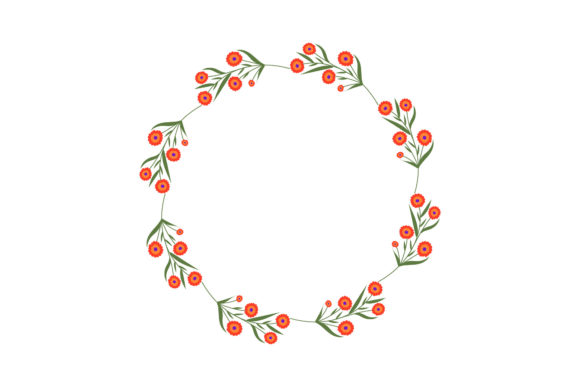
The Elegance of Frame Floral Ornate Beauty for Versatile Design Projects
In the world of digital design assets, certain styles stand out for their timeless appeal and functional adaptability. Frame Floral Ornate Beauty represents a specific category of graphic resource that blends decorative borders with intricate botanical motifs. This design approach is distinct from simpler geometric frames or minimalist line art, offering a rich, layered aesthetic built from curved lines, flourishing leaves, and delicate floral elements arranged within a structured border. Its ornate nature suggests a heritage in classical illustration and ornamental design, which can bring a sense of sophistication and artistry to modern projects.
What Makes Frame Floral Ornate Beauty Distinct?
The core characteristic of Frame Floral Ornate Beauty lies in its harmonious fusion. It is not merely a floral pattern nor a plain frame; it is a cohesive graphic where the floral elements are integral to the structure of the border itself. This creates a piece that is both a container and a decoration simultaneously. The "ornate" quality implies detail and complexity, often featuring scrollwork, tendrils, and repetitive natural forms that fill the space without feeling cluttered. This makes it distinct from more contemporary, abstract border designs or stark, typographic-focused frames.
From a technical perspective, when this style is offered as a Frame Floral Ornate Beauty Vector Design, its utility increases significantly. Vector graphics are composed of mathematical paths, not pixels. This means the file is openable, editable, and resizable without losing quality—a fundamental advantage for designers. You can scale a vector frame from a tiny logo element to a large poster backdrop with perfect clarity. This inherent flexibility is a key reason designers seek out such resources, as it provides a reliable foundation for iteration.
Comparing Graphic Styles for Different Design Needs
When evaluating design assets, it's helpful to consider the spectrum of available styles. Frame Floral Ornate Beauty sits within a broader family of decorative borders. A simpler alternative might be a basic line frame or a solid shape border. These are excellent for projects requiring clarity and minimalism, such as corporate presentations or modern UI elements. However, they lack the decorative warmth and artistic nuance that an ornate floral frame provides.
On the other hand, there are even more complex and detailed assets, like full-page victorian-style illustrations or hand-drawn floral wreaths. These can be stunning but may overwhelm a design or restrict the space for core content like text or a central logo. Frame Floral Ornate Beauty often strikes a practical balance, offering high detail while maintaining a clear, central focal area within the frame. This balance is crucial for its application in logos or badges, where the frame complements, rather than competes with, the primary message.
Strengths and Trade-offs of the Ornate Floral Vector
The primary strength of a Frame Floral Ornate Beauty vector file is its multifunctional nature. Because it is editable, a designer can modify colors, separate elements, or adjust proportions to fit a specific brand palette or theme. The included file formats—typically AI, EPS, SVG, PNG, and JPG—cover most professional and casual use cases. The AI and EPS files are ideal for deep editing in professional software like Adobe Illustrator. The SVG is perfect for web design and modern digital workflows, while the PNG and JPG provide ready-to-use raster images for quick placements or environments where vector support is limited.
However, there are trade-offs to consider. The ornate style, by definition, is not universally applicable. It carries a strong aesthetic voice—one that is elegant, traditional, and often feminine. This might not align with a brand seeking a rugged, tech-forward, or ultra-minimalist identity. Furthermore, the complexity of the design can sometimes pose a challenge in very small-scale applications; fine details may become indistinct when scaled down extremely, though the vector format itself prevents technical pixelation.
Best-Fit Situations for This Design Asset
Understanding when Frame Floral Ornate Beauty is the right choice involves matching its character to your project's goals. It excels in contexts where tradition, beauty, and craftsmanship are valued.
- Logo Design: For businesses in industries like boutique floristry, vintage jewelry, wedding planning, or artisan cafes, an ornate floral frame can form a perfect logo border, encapsulating the brand name or symbol with relevant elegance.
- Illustrations & Branding: It can serve as a repeated decorative element in packaging, invitations, or website design, providing a consistent ornamental theme.
- Animations: As a vector, individual elements of the frame can be animated—leaves might gently sway, or flowers bloom—adding dynamic charm to digital content.
- Merchandise Design: For t-shirt designs, tote bags, or poster art, the frame can act as a standalone artwork or a border for a central quote or image, appealing to a market that appreciates detailed, nature-inspired art.
In these situations, the asset saves considerable time. Instead of drawing a complex frame from scratch, a designer can adapt a high-quality vector, focusing their effort on customization and integration.
When to Consider Alternative Options
Despite its versatility, Frame Floral Ornate Beauty may not be the optimal solution for every project. If your core requirement is a sense of speed, modernity, or brutalist simplicity, this style could feel mismatched. Similarly, for content aimed at a very young audience or in a highly technical field (like software engineering tools), a simpler, more graphic approach might communicate more effectively.
Another consideration is the level of customization needed. While the vector is editable, if your vision requires a fundamentally different structural shape—a circular wreath versus a rectangular frame, for example—you might be better served finding a base asset that matches your geometric needs more closely. Sometimes, starting with a less ornate, more basic vector shape and adding custom floral elements yourself provides the most tailored result.
Evaluating File Formats and Practical Use
A practical aspect of choosing such a design resource is understanding the provided file formats. A package offering 1 AI file, 1 EPS file, 1 PNG file, 1 JPG file, and 1 SVG file covers a comprehensive range of needs. The AI and EPS files are industry-standard for vector editing. The PNG offers a transparent background, useful for overlaying the frame onto other designs. The JPG provides a standard raster image for quick previews or use in basic software. The SVG file is increasingly important for scalable web graphics and design in browser-based tools.
This variety means the asset is "easy to use" across different skill levels and software ecosystems. A hobbyist using basic graphic software can use the PNG or JPG immediately. A professional designer can open the AI file and deconstruct the entire design, repurposing individual flowers or leaves for other compositions. This flexibility is a significant decision factor, as it ensures the resource remains useful as your skills or project scope evolve.
Making an Informed Decision for Your Resources
Ultimately, selecting a design asset like Frame Floral Ornate Beauty Vector Design involves weighing its aesthetic alignment against its functional utility. Consider your project's tone first. Does the ornate floral style support the message you are conveying? Then, examine the technical requirements. Do you need to resize the graphic frequently, edit colors, or integrate it into a multi-part design? The vector format answers these needs decisively.
Compare it internally with other styles you are considering. Ask yourself if a less decorative frame would serve your content better, or if a more detailed, scene-like illustration would be too overpowering. The balanced nature of Frame Floral Ornate Beauty often makes it a suitable middle ground—detailed enough to be interesting, structured enough to be functional. By focusing on these aspects of fit and format, you can move beyond superficial appeal and choose a resource that genuinely supports your design process and final outcome.